
From protest to party: Pride Month lights up June
Monday 1st June 2026 | Macauley Jacobson
Pride Month is an annual celebration dedicated to the LGBTQ+ community — including lesbian, gay, bisexual, transgender, queer, and other identities. It takes place every June in many countries and combines celebration, remembrance, activism, and community support.
WHY JUNE?
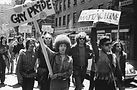
We have Pride as a powerful celebration of LGBTQ+ identity, rooted in the fight for acceptance after the 1969 Stonewall Riots, serving as both joyful community gathering and ongoing protest against discrimination, reminding people to be proud of who they are in a world that has historically shamed them. It’s about radical self-acceptance, finding belonging, educating others, and demanding equality, transforming shame into strength and visibility.
The Stonewall riots were a series of confrontations between police and gay rights activists that began outside the Stonewall Inn, a gay bar in New York City's Greenwich Village, on June 28, 1969. At the time, homosexual acts were illegal, and gay bars were often raided by police.
During a raid, the crowd outside the Stonewall Inn protested the police actions, leading to a riot involving around 400 people. The riots continued for five days and are seen by many historians as a spontaneous reaction against police harassment and discrimination against sexual minorities.
The Stonewall riots became a symbol of resistance and a catalyst for a new wave of political activism, inspiring the formation of many gay rights organisations. In 2016, the site of the uprising was designated a national monument.
WHAT PRIDE REPRESENTS
Pride Month has several meanings at once:
Celebration Many LGBTQ+ people celebrate identity, love, self-expression, and community. Pride events are often joyful and colourful, featuring music, art, parades, performances, and festivals.
Visibility For decades, many LGBTQ+ people felt pressure to hide who they were. Pride encourages openness and representation so people feel seen and accepted.
Protest and Activism Pride began as a protest movement, and activism is still part of it today. Campaigns during Pride Month often focus on: Equality laws, Anti-discrimination protections, Healthcare access, Support for LGBTQ+ youth and Combating hate crimes.
Remembrance Pride also honours people who faced persecution, violence, or exclusion in the past — including activists who helped advance LGBTQ+ rights.
WHY PEOPLE SAY PRIDE STILL MATTERS
Supporters say Pride Month remains important because LGBTQ+ equality is not the same everywhere. While many countries have made progress, some LGBTQ+ people still experience bullying, discrimination, homelessness, or violence.
For many young people, seeing Pride events and LGBTQ+ representation can provide reassurance, acceptance, and a sense of belonging.
PRIDE TODAY
Today, Pride Month is celebrated across much of the world and has grown into both a cultural celebration and a human-rights movement. For some people, it is a party. For others, it is political, emotional, or deeply personal. For many, it is all of those things at once.

