
"NO PRIDE FOR SOME OF US, WITHOUT LIBERATION FOR ALL OF US"
MARSHA P JOHNSON //




LGBTQ+ HISTORY MONTH
LGBTQ+ History Month in the UK is observed every February and is dedicated to recognising and celebrating the contributions, experiences, and achievements of lesbian, gay, bisexual, transgender, and queer people throughout history.
It was first founded in 2005 by Schools OUT to address the historical invisibility of LGBTQ+ people in education and public life. The month promotes learning about key historical figures, social movements, and milestones that have shaped LGBTQ+ rights and culture in the UK and beyond.
Through events in schools, libraries, museums, and workplaces, LGBTQ+ History Month encourages understanding, inclusion, and respect while challenging discrimination and prejudice.
PRIDE MONTH
Pride Month in the UK takes place every June and celebrates the diversity, resilience, and contributions of LGBTQ+ people and communities.
It commemorates the Stonewall uprising of June 1969, a pivotal event in the global LGBTQ+ rights movement, and reflects the ongoing fight for equality and inclusion.
Throughout the month, Pride events across the UK promote visibility, acceptance, and solidarity, while also highlighting the challenges LGBTQ+ people continue to face. Pride Month serves both as a celebration of identity and as a reminder of the importance of standing up for equal rights and human dignity for all.

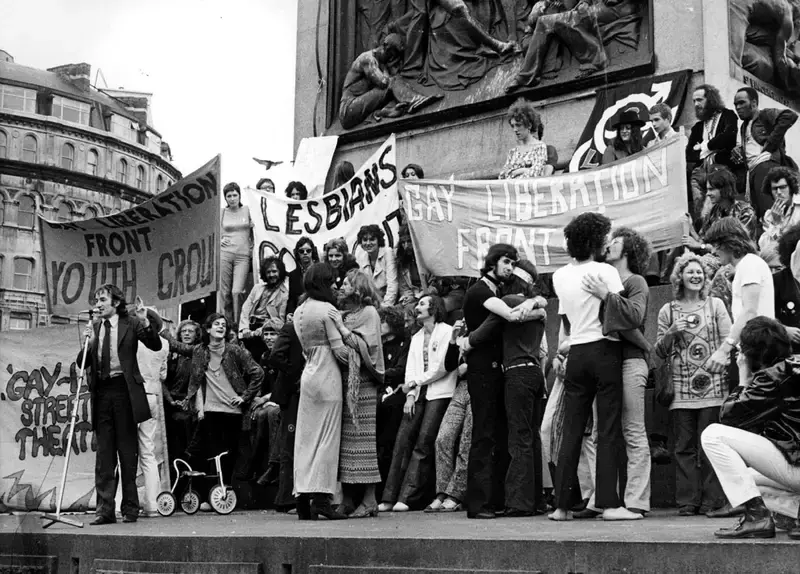
BECAUSE PRIDE IS A PROTEST. THEN A CELEBRATION.
IN UK HISTORY
Section 28 (or Clause 28) was a controversial UK law from the Local Government Act 1988 that banned local authorities from "promoting homosexuality" or teaching about it as a "pretended family relationship" in schools, creating a chilling effect, leading to self-censorship, and significantly impacting LGBTQ+ lives until its repeal in the early 2000s, with parallels often drawn to current anti-trans rhetoric
IN THE PRESENT DAY. THE FIGHT FOR EQUALITY CONTINUES.
In 2025, one of the most significant flashpoints in the UK has been the Supreme Court’s April ruling on the legal definition of “woman” under the Equality Act 2010. The court decided that the term “woman” in that law refers to biological sex at birth and does not include transgender women, even if they hold a Gender Recognition Certificate (GRC). Supporters of the decision say it protects single-sex spaces for women, while critics warn it undermines trans inclusion and legal clarity.

We have Pride as a powerful celebration of LGBTQ+ identity, rooted in the fight for acceptance after the 1969 Stonewall Riots, serving as both joyful community gathering and ongoing protest against discrimination, reminding people to be proud of who they are in a world that has historically shamed them. It’s about radical self-acceptance, finding belonging, educating others, and demanding equality, transforming shame into strength and visibility.
The Stonewall riots were a series of confrontations between police and gay rights activists that began outside the Stonewall Inn, a gay bar in New York City's Greenwich Village, on June 28, 1969. At the time, homosexual acts were illegal, and gay bars were often raided by police.
During a raid, the crowd outside the Stonewall Inn protested the police actions, leading to a riot involving around 400 people. The riots continued for five days and are seen by many historians as a spontaneous reaction against police harassment and discrimination against sexual minorities.
The Stonewall riots became a symbol of resistance and a catalyst for a new wave of political activism, inspiring the formation of many gay rights organizations. In 2016, the site of the uprising was designated a national monument.